Mutations: Driving biodiversity
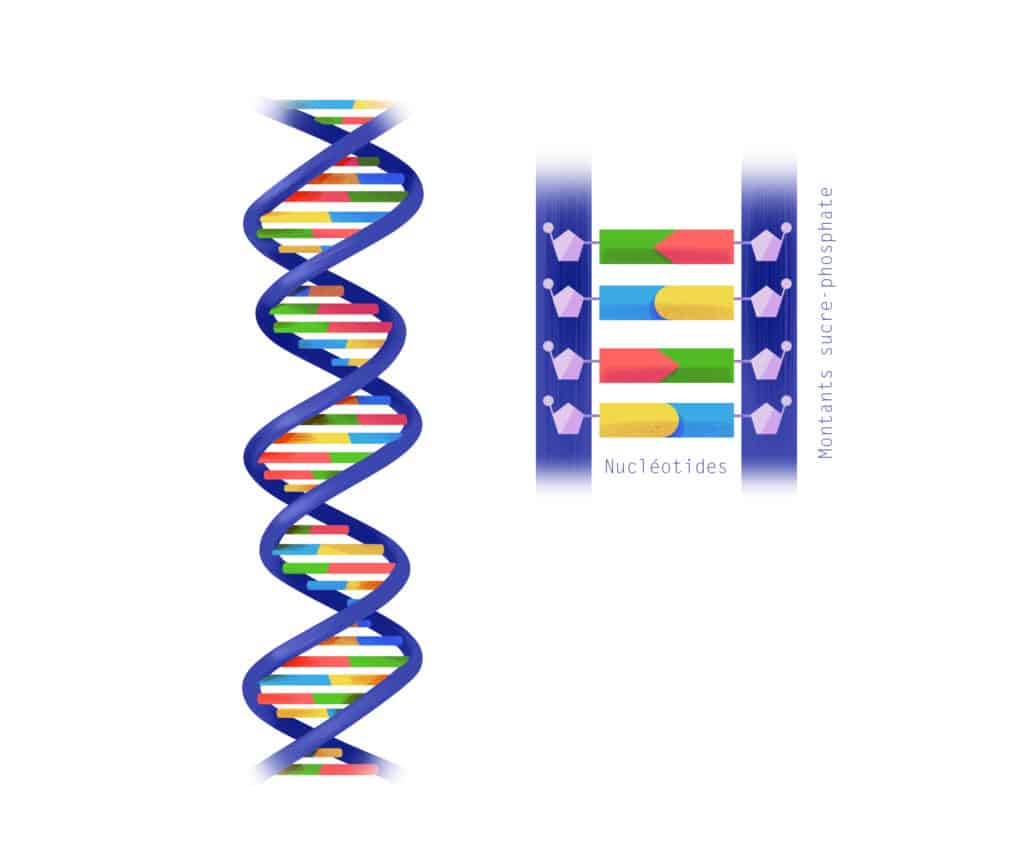
Mutations are permanent changes to one or more nitrogenous bases in a DNA sequence. These genetic changes may be harmful or beneficial or may have no consequences for the organism.
Mutations in the DNA sequence always occur randomly. However, beneficial mutations that give the organism a better chance of survival are more likely to be passed on to the next generation. This is how species evolve and adapt to changes in their environment.
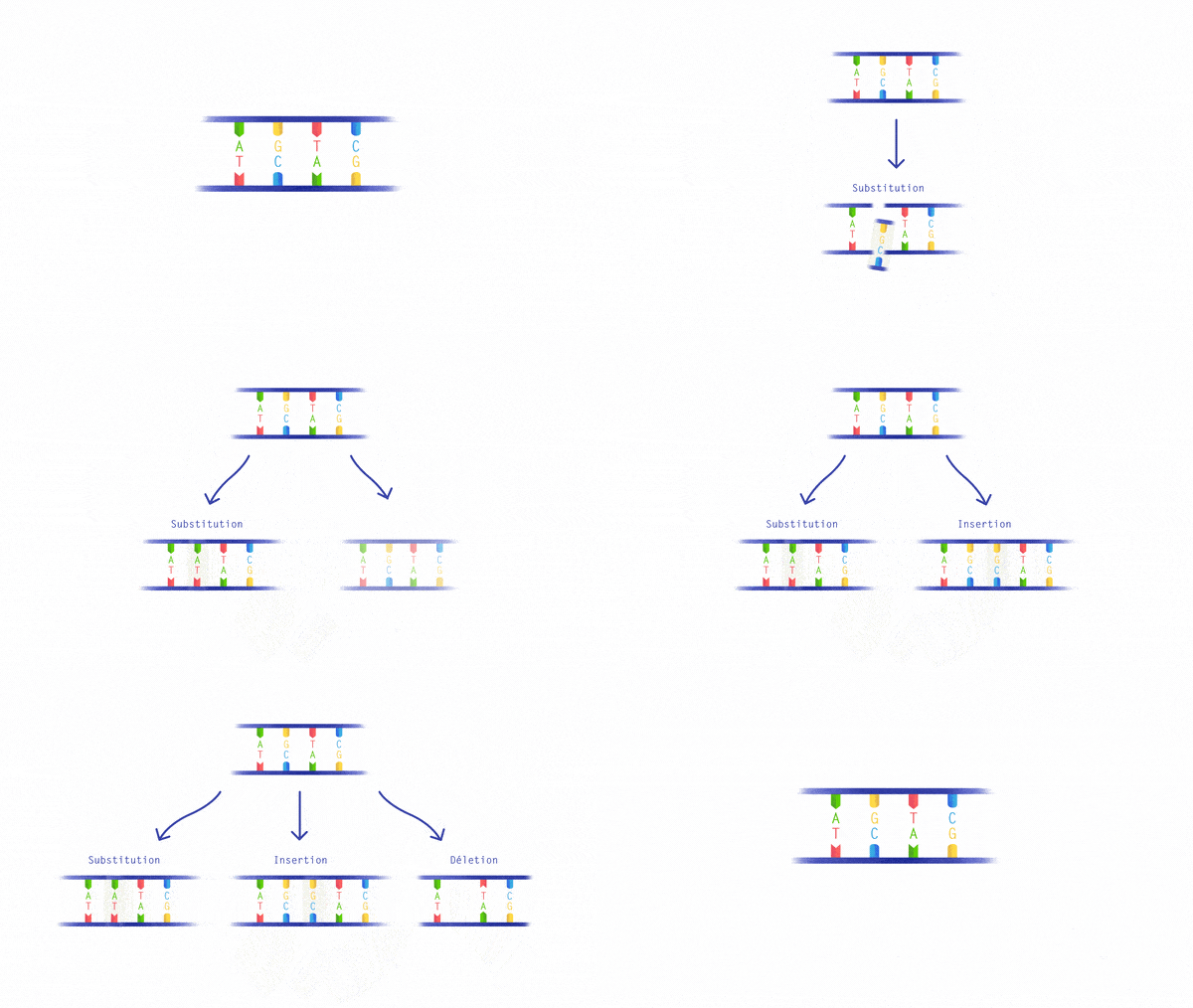
Mutations affecting a single nitrogenous base are very common. They’re called point mutations and they come in three categories:
| Point mutation | This common type of change involves a single pair of nitrogenous bases |
| Substitution | One nitrogenous base is replaced with another |
| Insertion | An additional nitrogen base is inserted into the DNA sequence |
| Deletion | A base is deleted from the DNA sequence |
- Substitutions can lead to a change in amino acid in the encoded protein.
- Insertions and deletions create frameshifts by changing how codons are read, which disrupts the amino acid sequence and often produces a non-functional protein.
Mutations are also described according to the effect they produce.
| Silent mutations | These mutations cause no change in the final protein, as the amino acid in question can be encoded by different codons. |
| Nonsense mutation | These mutations create a premature stop codon. The resulting proteins are incomplete and generally non-functional. |
| Missense mutations | These mutations create a different amino acid in the final protein. |
| Other mutation types | These mutation types involve more than one pair of nitrogenous bases |
| Tandem repeat mutations | These mutations increase or decrease the number of repeats of a specific sequence of nitrogenous bases. |
| Chromosomal rearrangements | These changes in the structure of chromosomes can disrupt normal gene function by putting genes under the control of incorrect regulators or changing their expression. |
- Breakdown in natural DNA repair mechanisms.
- Exposure to mutagens such as toxic chemicals (e.g., in cigarettes), viruses and UV radiation from the sun.
- Errors introduced during the DNA replication or genetic recombination that occurs during sex cell formation.
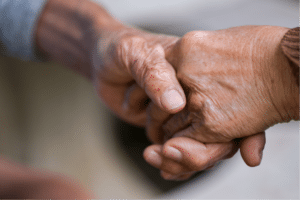
Have you ever wondered why our hair turns gray, our skin develops wrinkles, or our bodies become more vulnerable to diseases as we get older?
Many people think aging only happens on the outside. But some of the biggest changes occur deep inside our cells, where our DNA is stored. DNA carries the genetic code, or instructions that make up important proteins that every cell needs to function, whether it is a skin cell, a muscle cell, or a neuron in the brain. Over time, however, these genetic instructions can become damaged, making it harder for cells to maintain normal function.
The Sources of DNA Damage
Although our DNA is protected inside the nucleus of a cell, it is constantly under stress. Every day, our DNA faces threats from environmental factors like ultraviolet light, pollution, and toxic chemicals. Moreover, the danger also comes from within. Normal metabolic processes involved in our daily energy production, such as cellular respiration, can generate unstable molecules, called reactive oxygen species (ROS) as byproducts. When these build up, they create oxidative stress that can harm DNA, proteins, and other components of the cell.
DNA Damage vs. DNA Repair
Fortunately, our cells have evolved highly efficient DNA repair systems. These systems act like proofreaders, constantly searching for damage and fixing mistakes before they become a problem. But like any repair crew, they are not perfect. Occasionally, some damage escapes repair or is repaired incorrectly, causing permanent changes in the DNA sequence known as mutations. As cells grow older, DNA damage gradually accumulates and repair systems become less efficient. As a result, mutations can become more frequent over time. While many mutations are harmless, some can disrupt important cellular functions and contribute to several diseases, such as cancer and heart disease.
Telomeres: The Replicative Countdown Clock
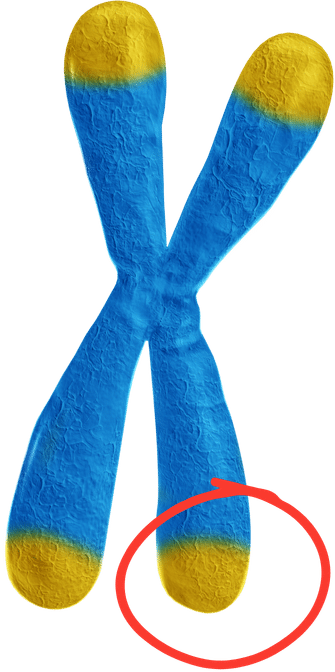
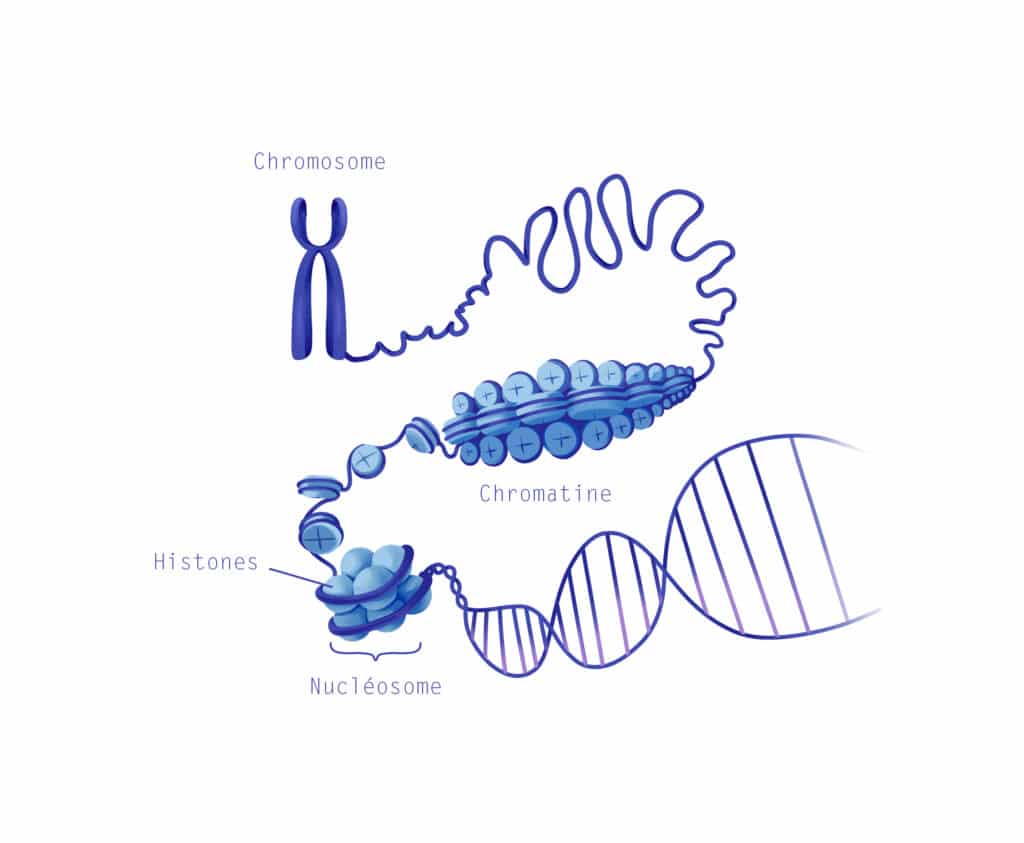
DNA is organized into chromosomes and at the ends of these chromosomes are regions called telomeres. They act like protective caps that prevent chromosomes from deteriorating or fusing together.
However, each time a cell divides, telomeres become slightly shorter because normal DNA replication cannot fully copy the very ends of chromosomes. This is what happens as we age and our cells continue to divide where the telomeres gradually lose DNA sequences. This makes our chromosomes more fragile and vulnerable to damage. When telomeres become too short, cells often enter a state called senescence, where they stop dividing. These cells are called “zombies” because they remain alive but no longer function properly.
What Happens to these “Zombie Cells”?
Research shows that these zombie cells remain metabolically active in the body and secrete inflammatory molecules that can degrade nearby cells and gradually worsen tissue function.
In recent years, scientists have identified these cells as a major driver of age-related decline. In mouse studies, drugs known as senolytics have been used to selectively remove senescent cells, improving muscle function, vascular health, and even some aspects of brain aging in experimental models.
DNA Aging in the Brain
The impact of DNA damage is especially important in our brain. Neurons stop dividing shortly after birth and must last an entire human lifetime.
Because neurons cannot be replaced, they are highly sensitive to the accumulation of DNA damage. Over decades, unrepaired DNA damage can build up and weaken the neuron’s ability to maintain its structure, communicate effectively and perform essential cognitive functions such as memory and thinking.
This is especially relevant in neurodegenerative diseases like Alzheimer’s and Parkinson’s, where defective DNA repair systems and increased genomic instability are thought to contribute to neuronal dysfunction and loss.

Can We Slow Aging to Improve Overall Health?
One of the major goals of modern biology is to understand whether aging can be slowed or partially reversed to improve health and reduce disease risk. Scientists are studying how cells repair DNA, how telomeres protect chromosomes, and why some individuals remain healthy well into advanced age.
They are also looking beyond humans and examining various long-lived species, such as Greenland sharks and bowhead whales, that show unusual resistance to aging-related decline.
In recent groundbreaking experiments, scientists have used a set of proteins known as Yamanaka factors to partially reprogram aged cells. These factors act as the cell’s “reset button” to restore more youthful patterns of gene activity without changing the underlying DNA sequence. In animal models, this process has been shown to reverse some signs of aging and has improved functions such as vision and muscle strength.
This research reached an important milestone in January 2026 when the first human clinical trial of cell rejuvenation therapy was approved. The experimental treatment, called ER-100, uses the same Yamanaka factors to help restore the function of damaged retinal cells in patients with certain eye diseases. The trial is mainly testing safety, but if successful, patients could regain some of the vision that they have lost.
As the world population is aging, a greater number of people are at a risk of developing various age-onset diseases. As a result, research in such areas is fundamental to understanding how biological “wear and tear” can be managed more effectively.
By studying DNA damage, repair systems, and cellular aging, researchers are looking into newer strategies of developing the next generation of treatments that can tackle multiple chronic diseases simultaneously to improve long-term health and quality of life.
Maisha Maliha Promi
Ph.D. Researcher
Lab of Jeremy Van Raamsdonk
Research Institute of the McGill University Health Centre (RI-MUHC)
Cancer
Cancer is a disease characterized by the uncontrolled growth of abnormal cells in the body. The genetic mutations behind cancer change the mechanisms that control the cell cycle and apoptosis (programmed cell death) and allow cells to grow out of control and never die. These cells constantly divide and form tumours, which can then invade and harm the body’s tissues.
Understanding mutation mechanisms is therefore a vital part of cancer research. Identifying the specific types of mutations in cancer cells and understanding their causes lets researchers develop targeted methods to treat different types of cancer.
The study of genetic mutations has important implications for many other fields, such as evolution, developmental biology and research into hereditary diseases.
Mutation and evolution
Mutations are important from an evolutionary standpoint because they give rise to genetic diversity. Every mutation creates a new, unique version of a gene. If a mutation occurs in a sex cell, it can be passed on to the organism’s offspring.
When beneficial mutations give an organism an advantage in its specific environment, the organism is more likely to survive and reproduce. The frequency of a beneficial mutation that increases in a population over multiple generations is known as natural selection, a key concept in Charles Darwin’s theory of evolution.
Natural selection also tends to weed out mutations that hinder the survival of an organism, as individuals carrying these mutations will be less likely to reproduce and pass them on to their children.
Generation length is an also important factor in an organism’s ability to adapt to a changing environment. Organisms with shorter life cycles can potentially evolve faster, as they have more opportunities to generate offspring that carry beneficial mutations.
Evolution is therefore driven by the tension between mutations, which create genetic diversity, and natural selection, which acts as a “filter” that promotes beneficial mutations and hinders non-beneficial ones. This ongoing process of mutation and natural selection is how populations adapt, how they evolve over the long term, and how new species emerge.
Biotechnology
What is biotechnology?
Biotechnology is the study of living organisms to develop technologies that are useful to society. There are applications for biotechnology in many fields, such as medicine, agriculture, engineering and the environment.
Transgenic organisms are created through genetic engineering, a technique that allows scientists to insert the genes of one species into the genome of another to modify certain traits. A transgenic organism therefore carries a gene from another species in its genome. For example, agricultural crops that require fewer pesticides can be engineered using a gene for resistance to certain pathogens.
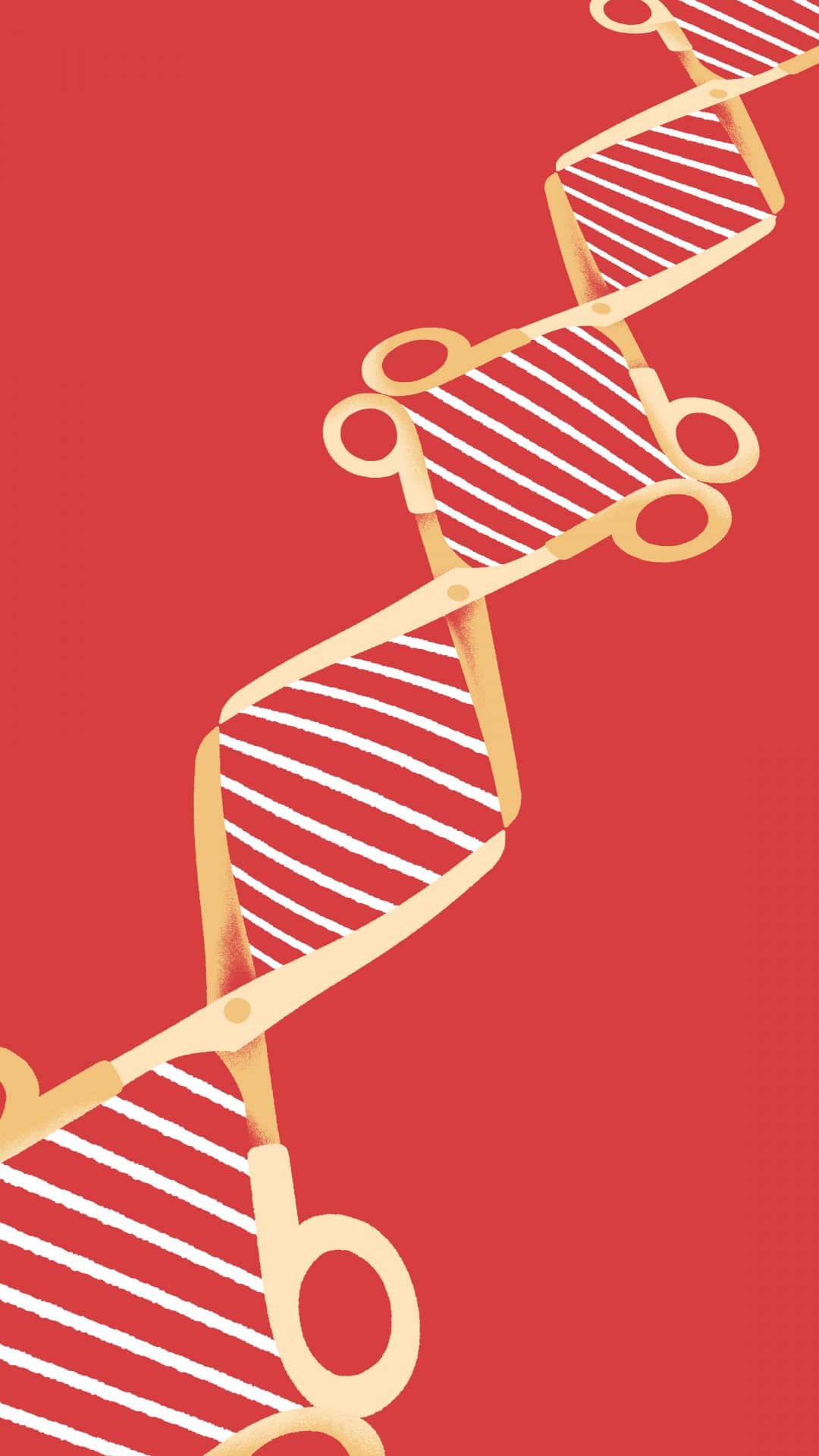
CRISPR-Cas9 is used as “molecular scissors” to add, remove or change target genes. Scientists adapted this gene-editing technique from an immune defence mechanism in bacteria and archaea as a way to cut DNA using Cas9 proteins. Guide RNA sequences accompany and direct the Cas9 proteins to specific genes. Once CRISPR-Cas9 binds to its target, it cuts the DNA, which triggers the cell’s natural repair mechanisms, which modify or replace the existing gene.
Some body tissues, such as those in the spinal cord, don’t repair themselves if damaged. In such cases, stem cells can be reprogrammed to trigger the repair and regeneration of the affected tissues.
Embryonic stem cells are cells from an early‑stage embryo that differentiate into all types of cells in the body (muscle cells, epithelial cells, etc.). Although their regenerative potential is immense, their use raises ethical questions since the cells are extracted from embryos.
Scientists can also use cell reprogramming techniques to transform cells that have already differentiated—such as skin cells—into stem cells that can change into other cell types. These cells are called induced pluripotent stem cells.
Cloning is a technique to create an organism that is genetically identical to another. A famous example is Dolly, a sheep that was cloned in 1996. Learn more about Dolly here: DOLLY – Britannica
Ethical issues
Biotechnology opens up a world of possibilities. However, it also raises ethical questions about human responsibility and respect for life.