
Genomics offers innovative solutions to the major challenges facing Québec society, particularly in terms of public health, prevention and health resilience.
Genomics, a powerful ally in prevention
Prevention includes all measures and actions aimed at avoiding or reducing the onset, spread or progression of a medical condition, disease or health problem. It focuses on promoting health and wellness among individuals and populations.
Three levels of prevention
| Primary prevention | Secondary prevention | Tertiary prevention |
|---|---|---|
| It intervenes before disease happens by reducing risk factors and increasing the resistance of individuals. | It targets disease at its earliest stages to detect problems early and act quickly to minimize their impact. | It is implemented when a disease is established or unavoidable and focuses on reducing complications and slowing symptom progression. |
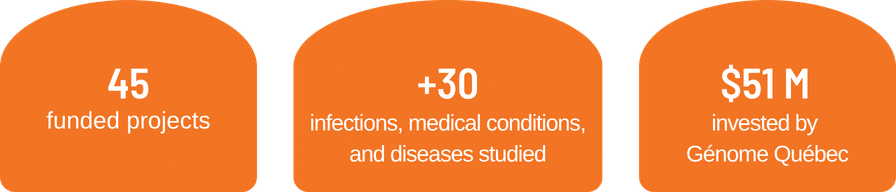
When it comes to prevention, genomic technologies are an indispensable asset. For over 15 years, Génome Québec has invested in research that refines the tools and techniques needed to better meet people’s needs.
The key to prevention is in you
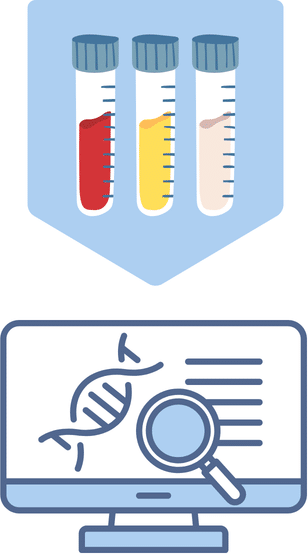
By collecting various biological samples, such as blood, and studying the genetic information they contain, researchers are notably working to:
- Develop new screening tests for genetic diseases, chromosomal abnormalities, monogenic diseases and colorectal cancer.
- Refine new methods for the early detection of breast, ovarian and endometrial cancer and certain mental health conditions.
- Improve diagnostic accuracy for rare genetic diseases, hereditary angioedema, leukemia and Crohn’s disease.
- Design new treatments for epilepsy, certain cardiovascular diseases, complicated pneumonia, breast cancer and pediatric blood cancers.
CARTaGENE: A flagship platform for personalized prevention
CARTaGENE is a cornerstone in the development of personalized prevention in Québec. This large population-based cohort brings together genetic, environmental and behavioural data from more than 43,000 participants, offering unique opportunities for research and improved clinical practice.
The project is already having a real impact. A CARTaGENE-backed study by the Montreal Heart Institute* identified a genetic abnormality in 25 percent of patients with hereditary heart disease, leading to more accurate diagnoses and more effective treatments. For example, a person carrying a mutation linked to a high risk of sudden cardiac death can be identified early and have a defibrillator implanted before a life-threatening event even occurs. Conversely, genetic variants once thought to be harmful can now be reclassified as benign, helping to avoid unnecessary and costly treatments.
These advances clearly demonstrate that when genetic data is accessible and used responsibly, it significantly improves the precision of care.
- Cartagene website: Home | CARTaGENE
- *Study cited: Une étude implique l’effet fondateur dans certaines maladies cardiaques (In French only)
Bringing genomics from the bench to the bedside
A key step in translating research results into tangible benefits for the population is to support the integration of genomics into everyday life. Through the Genomics Integration Program and the Genomic Applications Partnership Program, Génome Québec facilitates this integration and helps to turn innovative ideas into real-world solutions with high economic and social impact for Québec.
- Pavel Hamet
- Hermann Nabi
- John D. Rioux
- Karine Tremblay
- Luigi Bouchard
- Alexandre Bureau
- Mathias Cavaillé
- Simon Girard
- Isabel Sandra
- Sébastien Lévesque
- Sonia Cellot
- Alexandre Pellan Cheng
- Rafik Tadros
- Émilie Bédard
To explore previously funded projects that are now closed, use our search engine under Funded Projects | Génome Québec.
A more resilient society through prevention
Investments in prevention are one of the pillars of a strong and resilient society. In addition to protecting health, prevention efforts generate cascading benefits that have a positive impact on the economy, social equity and collective well-being.
1. Reducing the economic burden
From an economic standpoint, the old saying “An ounce of prevention is worth a pound of cure” rings especially true. The cost of treating serious pathologies and chronic conditions is significant for society as a whole. By focusing on prevention, genomics makes it possible to:
- Relieve pressure on the healthcare system
- Keep the population active and productive
2. Improving quality of life
By limiting diagnostic uncertainty and providing targeted, tailored solutions, genomics helps people living with a health condition or disease by:
- Ease their suffering
- Increasing their healthy life expectancy
3. Closing the gap in inequalities
Certain health issues disproportionately affect certain groups in society. Determinants of health are varied and include genetic factors, socioeconomic vulnerability and living environment.
4. Responding to environmental challenges
Prevention also encompasses environmental health. The One Health approach broadens our horizons by recognizing that human health, animal health (domestic and wildlife), plant health and environmental health are closely intertwined. Fighting pollution in our ecosystems (air, water, soil, forests, etc.) helps to prevent disease and pathogen outbreaks.
5. Strengthening resilient to crises
A society that invests in prevention systems is much better prepared to respond to a crisis or a major public health challenge such as the COVID-19 pandemic.
Prevention through the One Health approach
The One Health approach embodies the idea that the health of humans, animals and ecosystems is interdependent and closely linked. Whether in surveillance, prevention or health protection, One Health can be integrated into various areas of research including zoonotic diseases—infectious diseases transmitted between animals and humans—antimicrobial resistance, pathogen control, land-use planning and more.
One Health brings together multiple sectors, disciplines and communities across society to develop sustainable solutions that benefit all ecosystems.
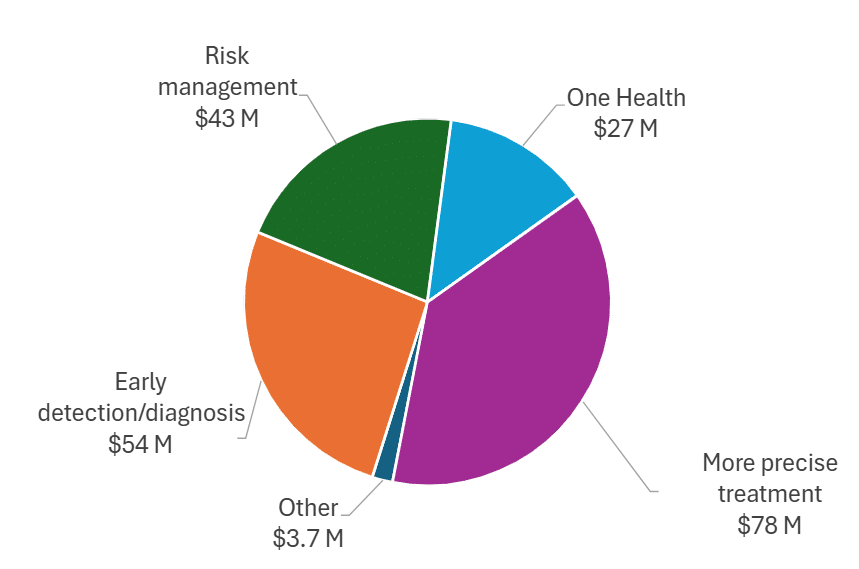
Génome Québec supports all aspects of prevention
Pathogen control
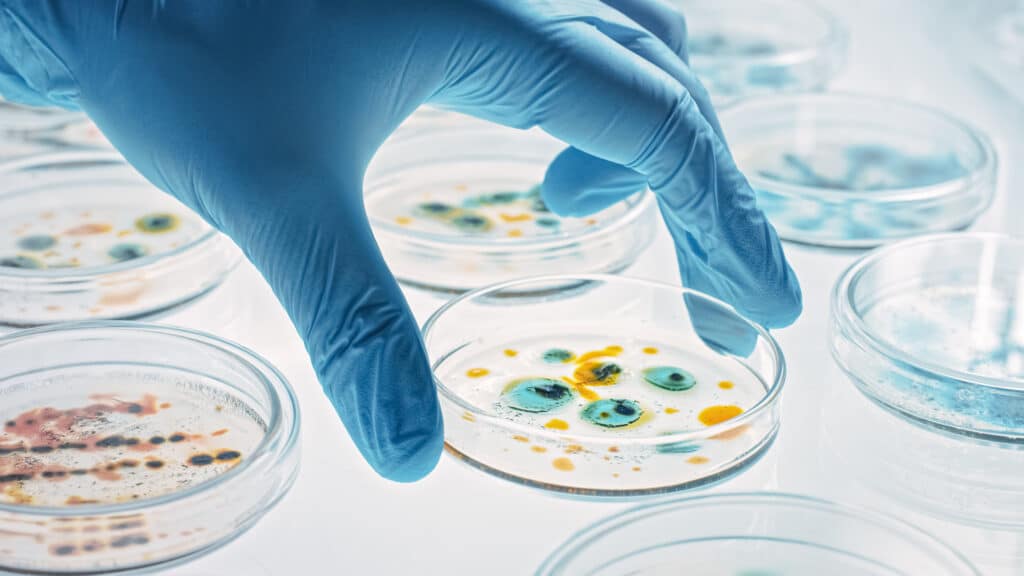
Genomics helps us to understand how pathogens spread, design rapid, targeted and affordable diagnostic tests, discover new therapeutic molecules and support the development and commercialization of vaccines. It also powers our ability to track the evolution of diseases and the emergence of variants on a global scale.
Crisis response
Genomics is a critical tool for strengthening our resilience to future outbreaks driven by emerging pathogens. The One Health approach is especially relevant in food safety, zoonotic disease control and antimicrobial resistance. As a holistic approach, One Health helps us study how pathogens move between animals, humans and the environment, and how their impacts are interconnected.
It can guide:
- The design and implementation of pathogen surveillance programs in the wastewater of large metropolitan areas
- The development of screening policies in agricultural settings
- The creation of reporting systems in hospitals
One Health fosters transdisciplinary collaboration to support research aimed at preserving the health of all living beings.
Antimicrobial resistance
Antimicrobial resistance occurs when microorganisms change over time and no longer respond to treatments. This makes infections more difficult to treat and increases the risk of disease spread, severe illness and even death. Antimicrobials include antibiotics, antivirals, antifungals and antiparasitic agents.
Genomics can play a central role in understanding and addressing antimicrobial resistance by fostering the development of diagnostic tools, shaping surveillance and prevention strategies and enabling the discovery of new treatments.
| In Canada, antimicrobial resistance now accounts for 26 percent of bacterial infections in hospitals. This figure is expected to increase significantly in the coming years, placing a growing burden on the healthcare system. Globally, it is now recognized as one of the top ten threats to public health, responsible for over 700,000 deaths in 2019 and projected to cause up to 10 million deaths annually by 2050, with costs estimated at US $10 trillion. |
- Christian Landry
- Abdoulaye Baniré Diallo
- Arnaud Droit
- Dominic Frigon
- Louis-Patrick Haraoui
- Roger Lévesque
- Sherfi Abou-Elela
- Émilie Bédard
- Xiaonan Lu
To explore previously funded projects that are now closed, use our search engine under Funded Projects | Génome Québec.